Lumen Photometric · The Photometry Station · Tunnel Laboratory
Photometric Report LX-A
APERTURE family · type specification · issue 7
It's 00:00 where you are.
Warming the module.
Lumen Photometric · The Photometry Station, London SE · A fictional brand
Lumen PhotometricInstruments of lightAPERTURE Desk · Floor · Wall
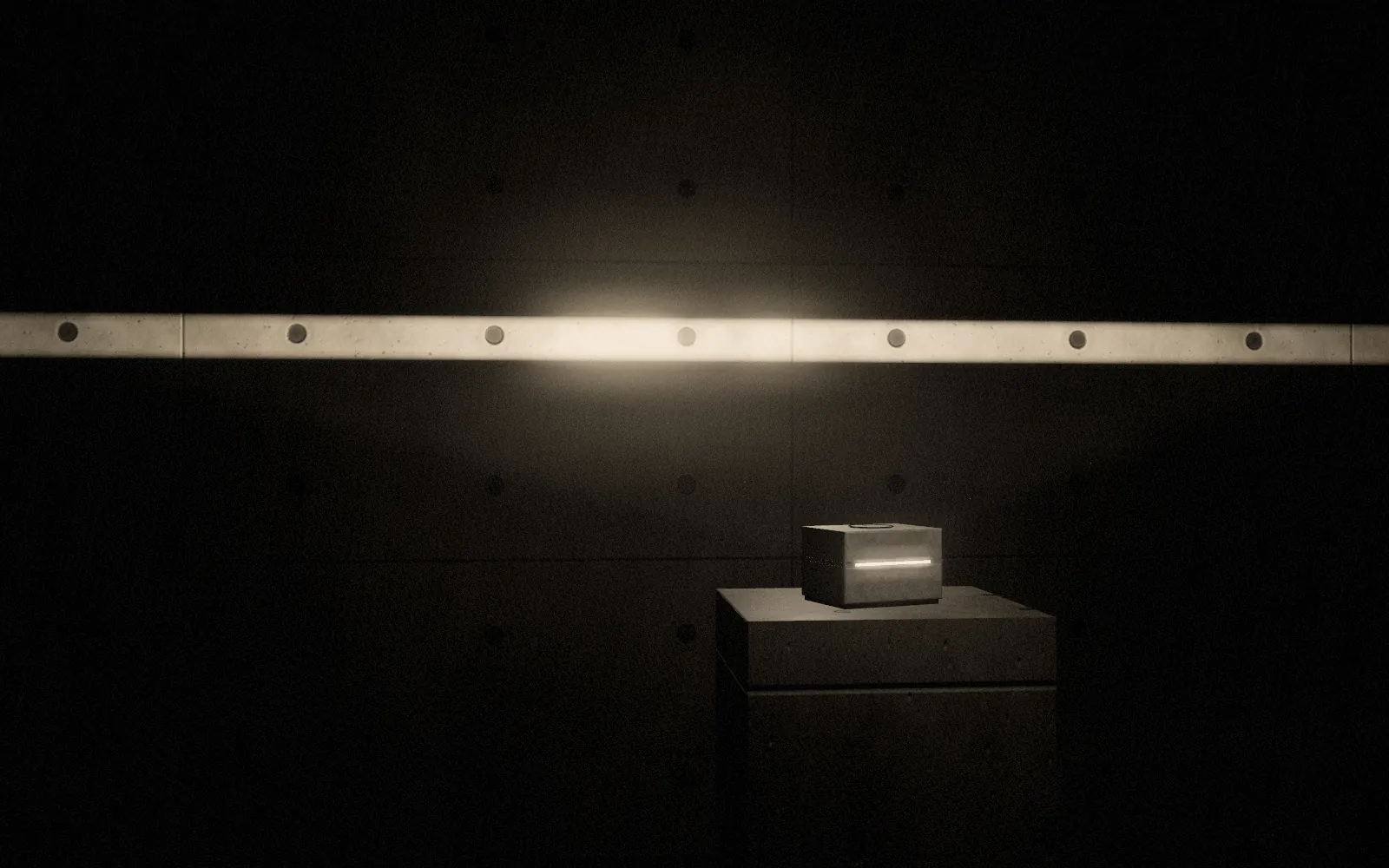
APERTURE is a solid block of concrete with a single slit sawn through it. It doesn't flood a room with light. It draws on it.
02The Aperture
Inside the block, a drum turns with the lamp's top. Close it to a 2° blade that stops exactly where we cut it. Open it to a 120° wash. One control you can feel, and every width between.
Drag, scroll, or use the arrow keys. Home closes it.
The slit shapes light into a precise blade that draws across walls, desks and floors.
Turn the top: 2° blade to 120° wash. A dimmer ring at the base does the rest.
Daylight, Work, Dusk and a red Night light, all from one module.
Cool by day, warm at dusk, red at night, following your sunrise. Offline.
CRI 98, R9 96, flicker-free, and a photometric report for every lamp.
A tool-free light module rated for 50,000 hours. Ten-year warranty.
Its shadow falls through the blade. It follows the obelisk. Most of the time, at once.
03Four lights
Everything on this page is lit by the lamp. Choose a light and the whole site changes with it: the room, the type, the paper, even the grain.
Your choice is kept for your next visit. From here on, the light control stays in the corner.
04Sun Follow
Sun Follow moves the lamp with your local sunrise and sunset: gold at dawn, white at noon, amber at dusk, red at night. It runs on the lamp itself and keeps working offline once it's set.
This page guessed where you are from your time zone. It didn't ask for your location.
05Night (red light)
Your eyes contain light-sensitive cells whose main job is to tell your body whether it's day. They respond most strongly to blue-green light, around 480 nm, and hardly at all to deep red. NIGHT switches off the white channels and runs a dedicated red emitter at about 620 nm: enough light to find a glass of water, read a label or feed a baby, with far less effect on sleep than white light.
APERTURE is a lamp, not a medical device. Sleep is complicated. Red light is simply the least disruptive light we can make.
06The Cut · Cast
Every block is poured into a steel mould and vibrated until no air is left in it. The Desk weighs 3.4 kg. It feels heavier.
06The Cut · Cure
Concrete keeps gaining strength for four weeks. We wait for all of them, under damp hessian, in the dark.
06The Cut · Cut
A diamond wire draws a single line through the block. The slit is never moulded: a mould leaves a soft edge, and a saw leaves a true one.
06The Cut · First light
The module goes in, and the light comes out the only way it can.
07Photometry
Every lamp is measured in the Tunnel before it leaves, and ships with its own report. These are the numbers that matter, and what they mean.
Colours look like themselves.
Skin, wood and food keep their warmth.
The modern test agrees.
No PWM below 25 kHz.
 APERTURE · CRI 98Typical LED · CRI 80
08Assembly
Seven parts. The light module lifts out without tools and is rated for 50,000 hours. Everything else is built to outlast it, with a ten-year warranty on the body.
Parts are sold separately for as long as we make lamps. A replacement module is A$120.
09The Family
A low block with a horizontal slit.
TotalA$640
Free delivery, measured in the Tunnel first. Ships in 9 working days. 10-year body warranty, 5 years on electronics.
10Almanac · the app
Almanac holds your sunrise tables, schedules and scenes. Tap a scene on the phone and the room beside it changes. The lamp itself needs none of it: the dial and the button on the block do everything, with or without a phone.
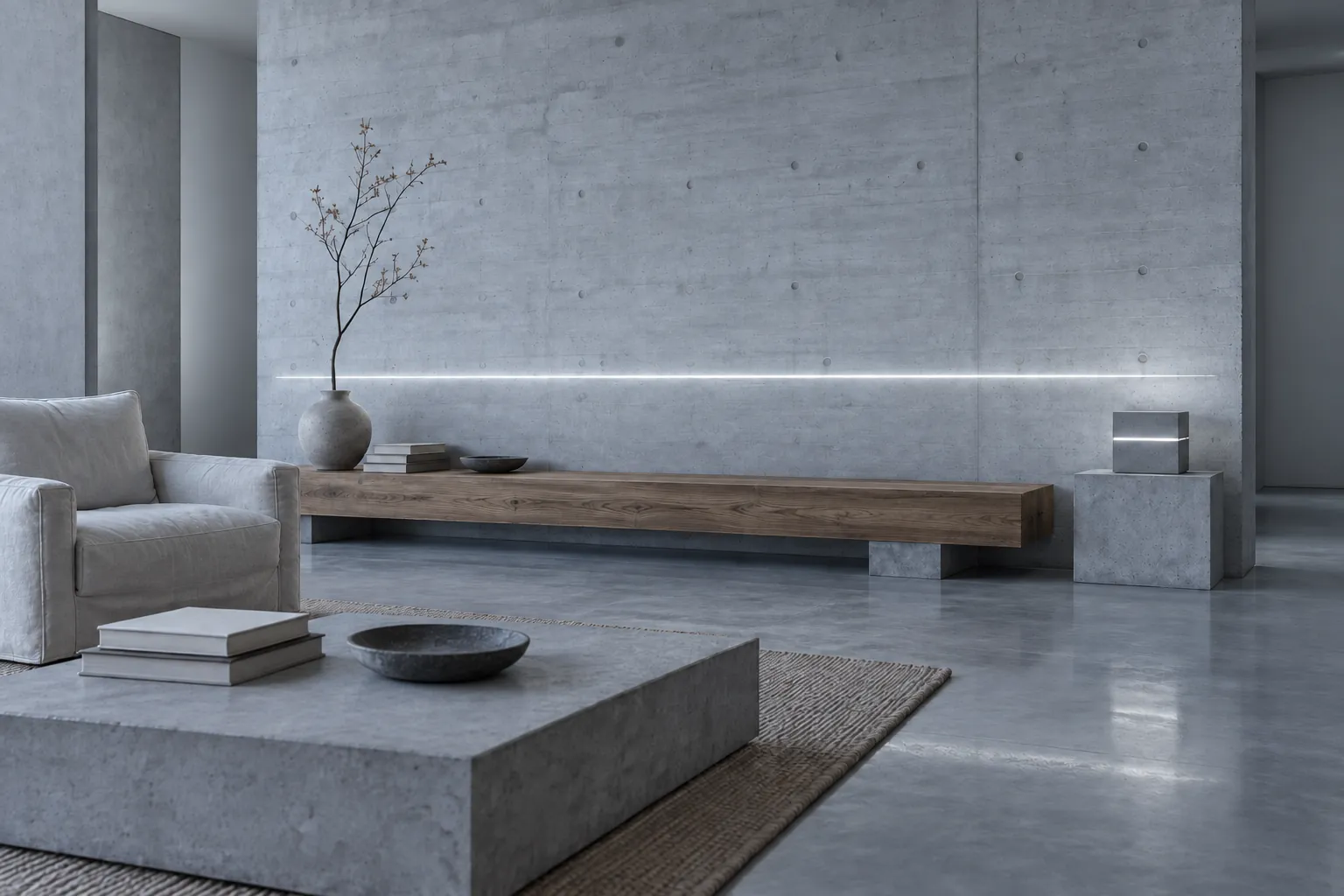
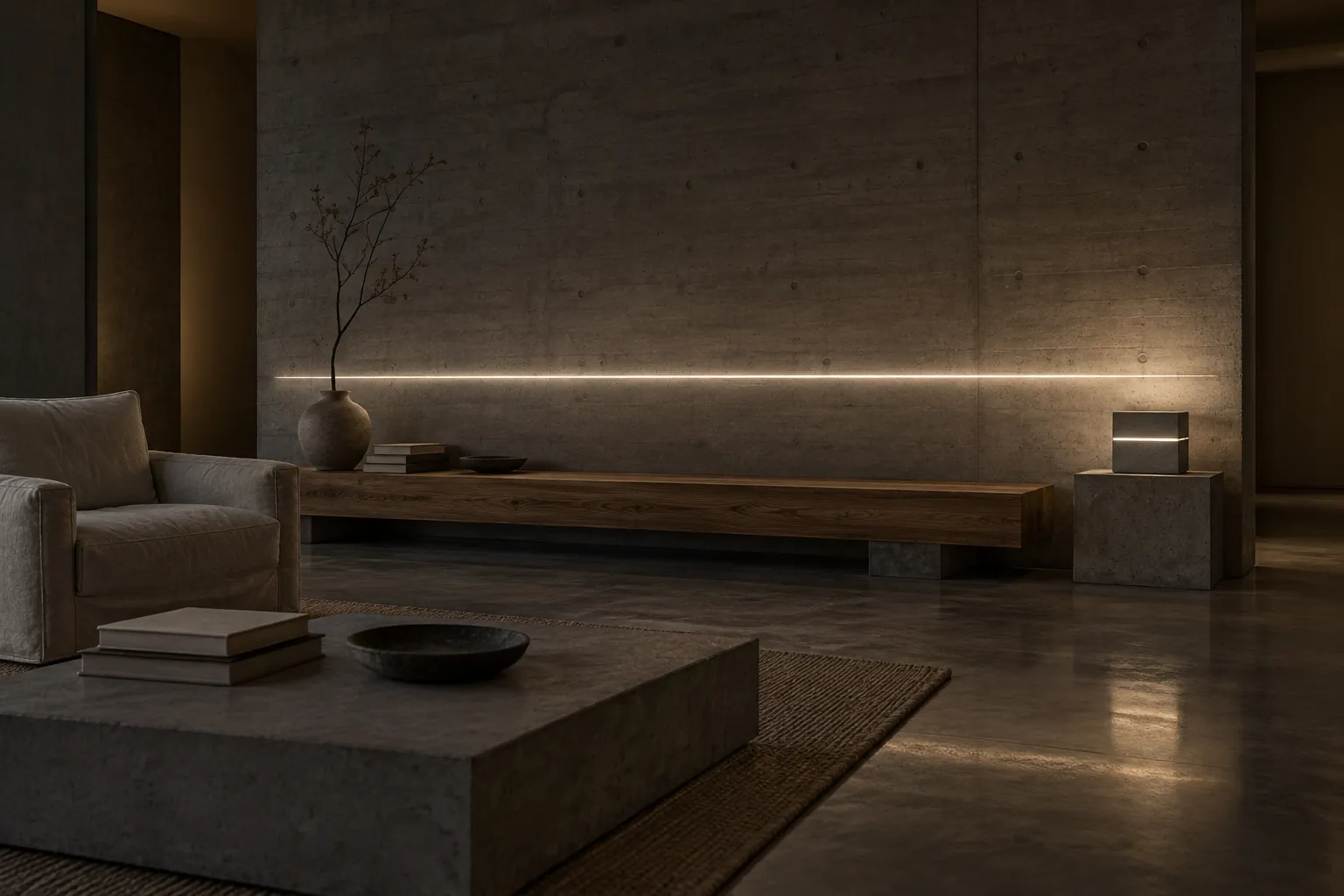
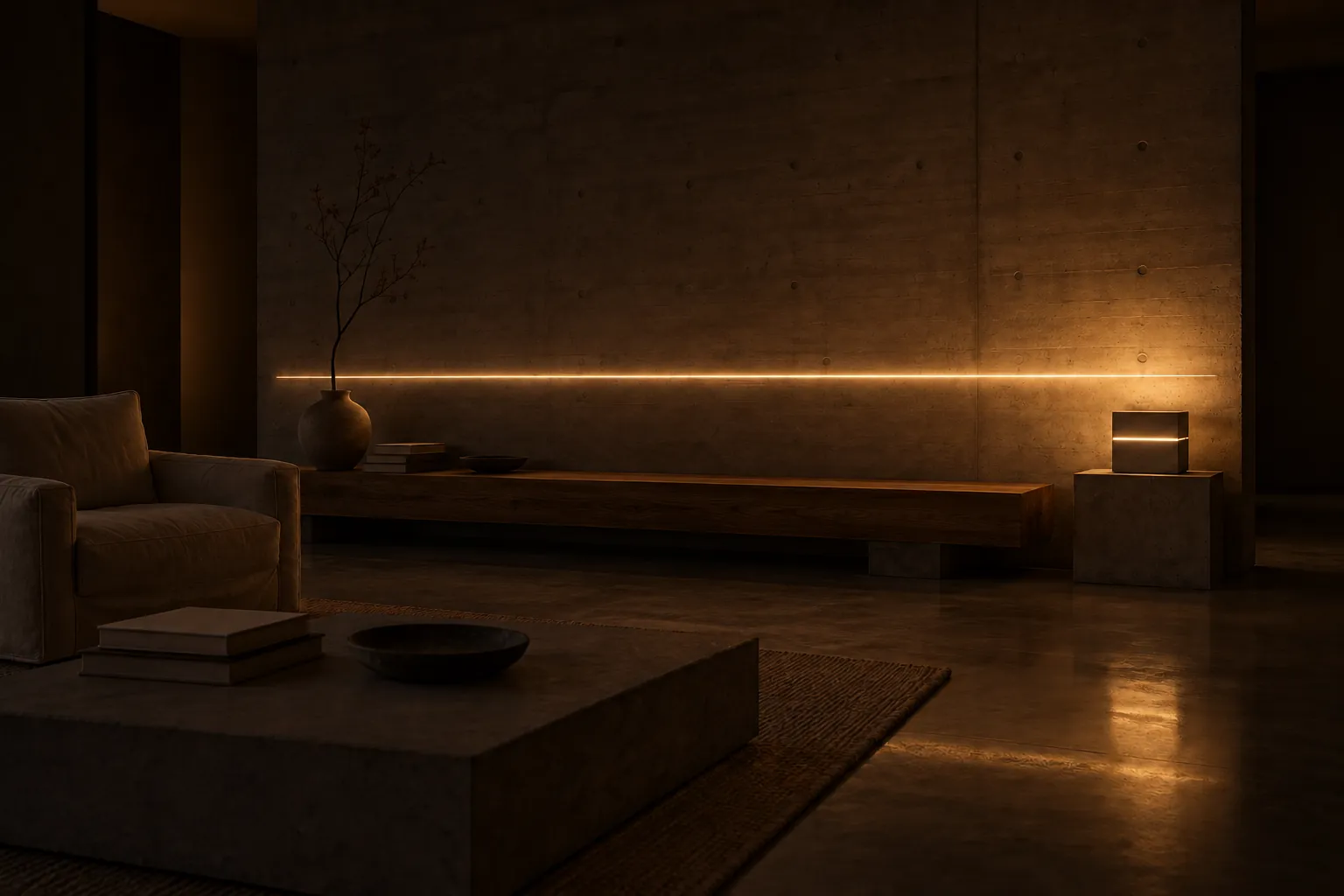
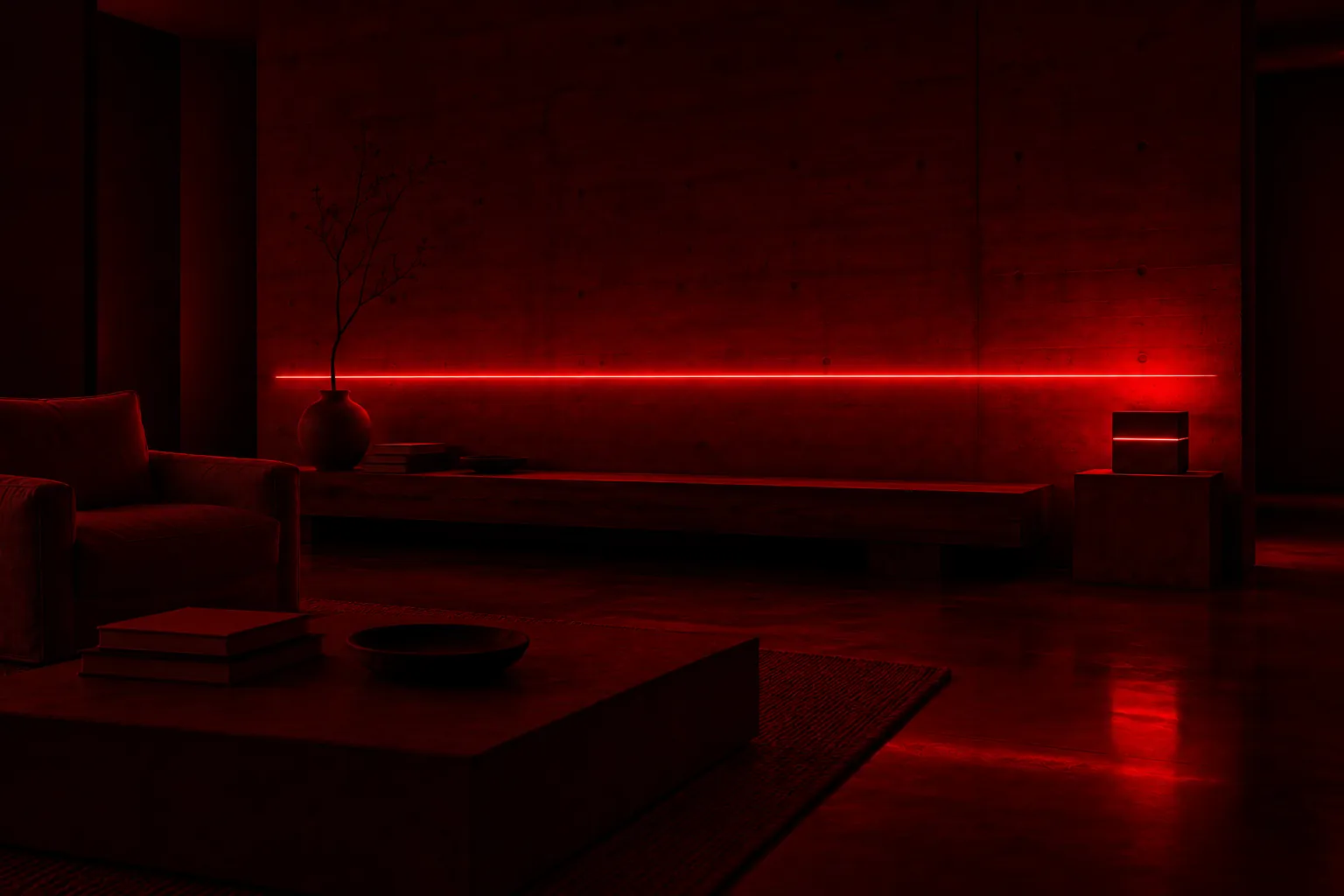 Living room · Work 4000K
| Day | Rise | Set |
|---|
Sun Follow adjusts these daily. Nothing to set.
Lumen Photometric · The Photometry Station · Tunnel Laboratory
APERTURE family · type specification · issue 7
12Issue · in the box
| Day | Rise | Set |
|---|
13The Tunnel · about us
For forty years the Photometry Station tested every streetlight before it went up in the city. Lamps were hung at one end of the Tunnel, a 120-metre concrete corridor with no windows, and measured at the other.
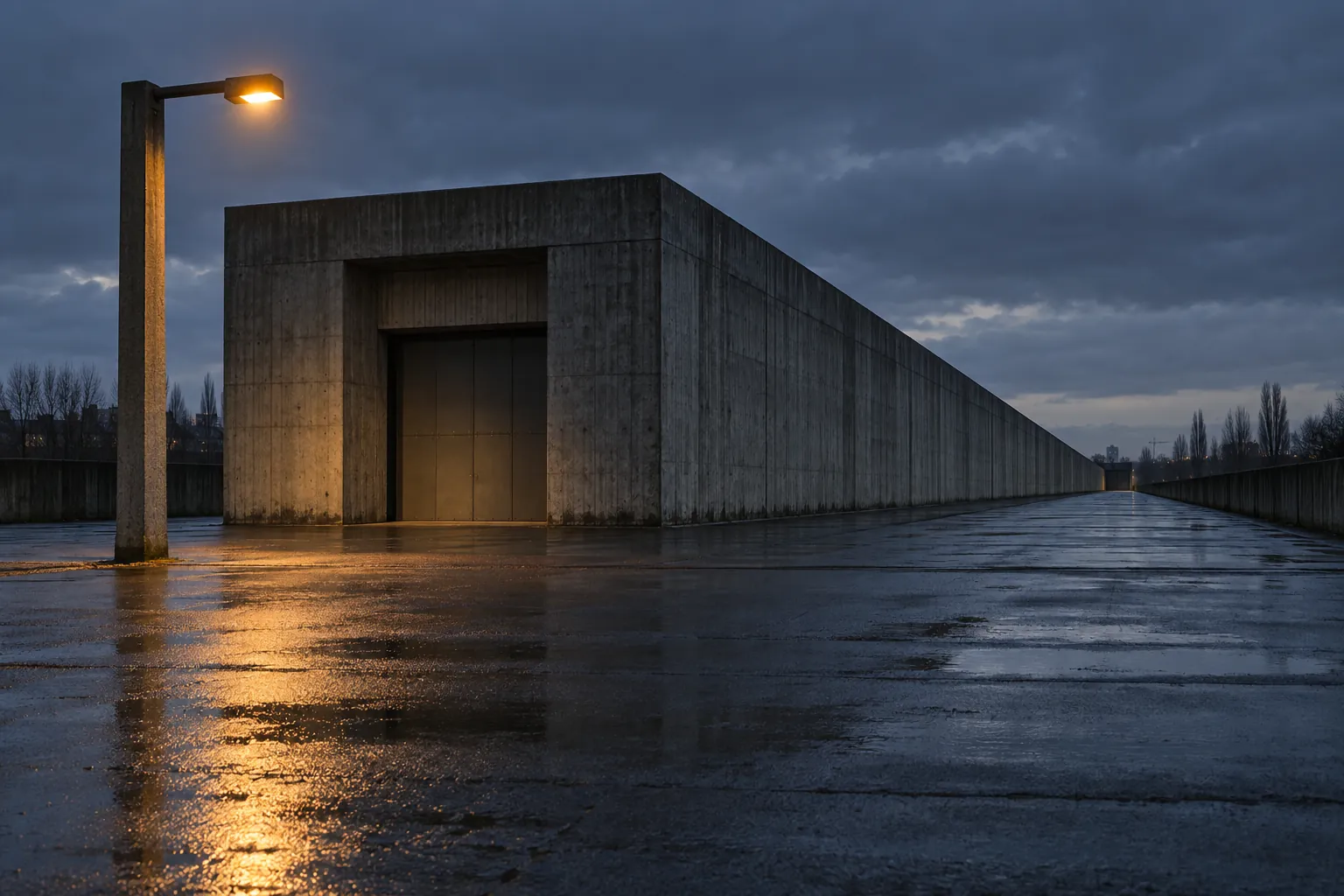
A theatre lighting designer and an optical engineer took the building in 2020. They wanted a lamp that did what light does on a stage and in the best concrete buildings: pick out one thing and leave the rest in shadow.
Their first prototype was a block of concrete with a single cut through it. They switched it on at the end of the Tunnel, and it drew a line of light all the way down.
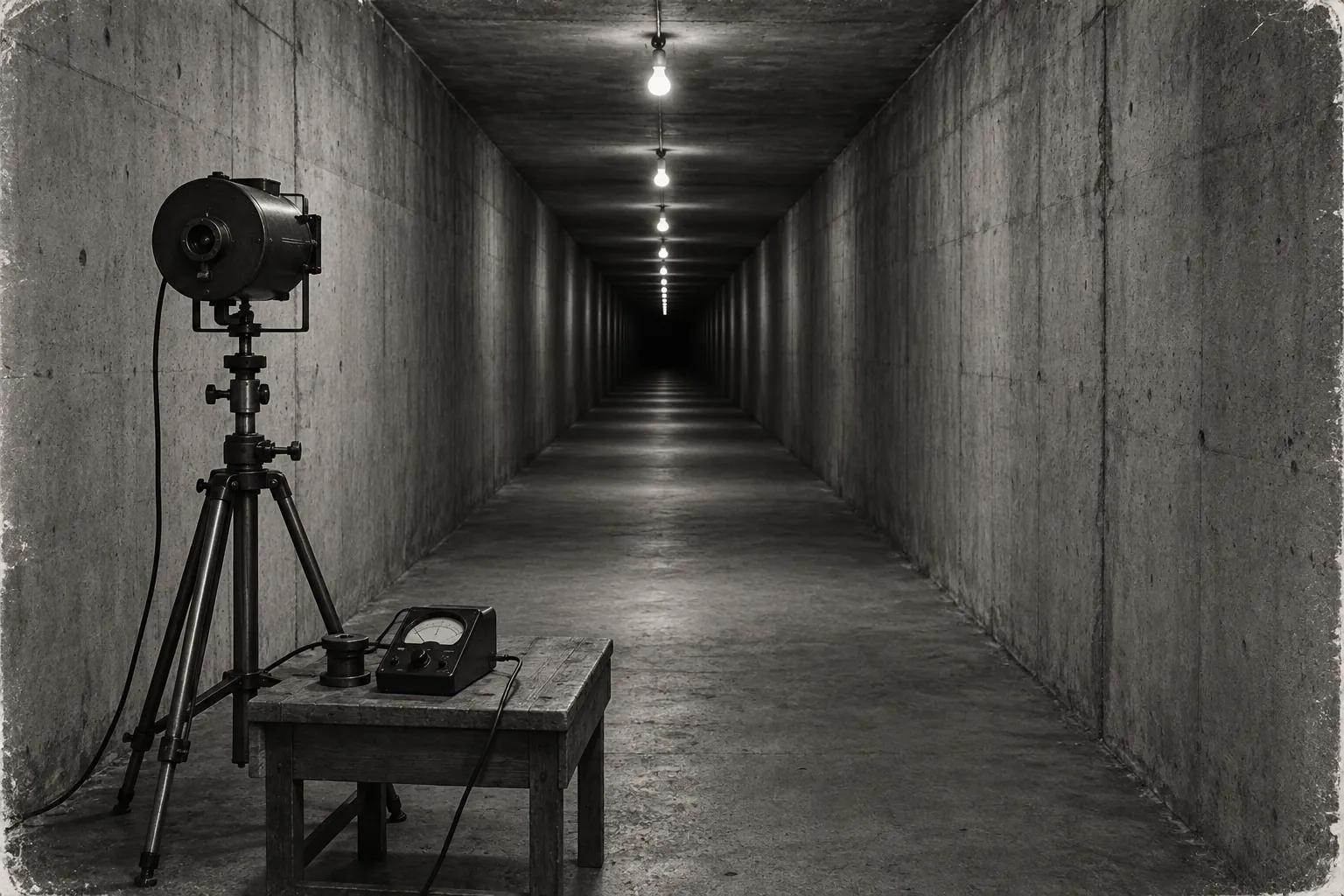
Every APERTURE is still measured in the Tunnel before it leaves.
Nobody has measured the far end.
14Correspondence
We keep every letter, and a few of the lab notes. All of them are fictional, like the lamp.
I'm an architect, and I'm tired of lamps that apologise for being there. APERTURE doesn't. It's a block on my desk that draws one line across the plans at exactly the height I work. The rest of the office can stay dark.
R. Tamsin, architect
I work nights on a neonatal ward and come home at 8am to a house full of sleeping people. NIGHT mode is the first light I can put on without waking anyone, including me.
J. Adeyemi, nurse
Unit 26-0914 read 1,812 lm at 10 m, 30 m and 120 m. A fourth reading on the sheet is marked 121 m. The Tunnel is 120 m. Re-measured: 120 m. Filed.
M.V.
We bought the Floor lamp for a gallery wall. On opening night someone asked which artist made the line of light. We didn't correct them.
C. Whitlam, gallerist
Five stars, and a question. When I close the Aperture fully in the red mode, and sit in the dark, is it meant to feel like something is waiting for me to switch it back on?
A. Moore
15Switch on
APERTURE Desk A$640 · Wall A$520 · Floor A$1,450
Nothing on the shelf yet. It's lit and waiting.